
By Carola Hein, Delft University of Technology
Petroleum – its extraction, refining, transformation, and consumption – has shaped our built environment in visible and invisible interconnected ways around the world over the last 150 years. Industrial structures, buildings, monuments, urban forms, and infrastructure stand as material witnesses to the ubiquity and power of petroleum. Many people will orient themselves in space referring to gas stations, others will point to oil headquarters as local urban icons, and a select few will be aware of local oil industry facilities or the educational, housing or leisure facilities of the petroleum industry employees. But while observers recognize the connection to oil in select buildings, they do not picture the enormous collective presence of oil in the built environment, its impact on production processes, financial flows, and associated social and cultural patterns in our everyday environment, or the long history of oil’s impact on our lives.

Figure 1: Invitation for the exhibtion “Oliedam: Rotterdam in the oild era, 1862-today” at Museum Rotterdam. The exhibtion has been extended until November 2, 2016.
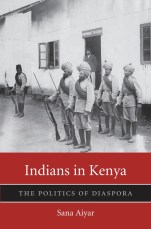 Concerned with constructions of immigrant identities, Aiyar navigates the Indian Ocean world in order to disentangle the various narratives of people, place, and movement. The overarching thesis of this compelling, well-researched, and propulsive book is that diasporic populations have multiple homelands: these can be civilizational and/or territorial. As such, it interrogates the emergence of Kenyan Indian diasporic consciousness between 1895 and 1968, and traces its attachments to its civilizational homeland, India, within its territorial homeland, Kenya.

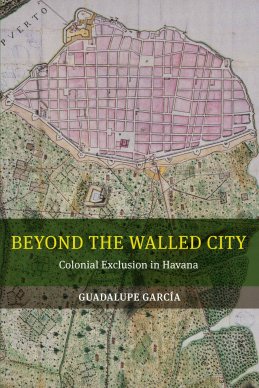 Since approximately the 1980s, Havana’s

 Global Urban History